Roads and Parking Team
In collaboration with our State and County partners, Advisory Committees, Special Districts, local nonprofits and private enterprise, First Nations and all Oceansiders, The Oceanside Action Partnership (OAP) Roads/Parking Team seeks to improve road conditions and identify sustainable parking options while maintaining the essence of our community, protecting the environment, and enhancing public safety.
Driving on Gravel Roads
A Community Care Guide from the Oceanside Action Partnership
Maintaining gravel roads is a shared community effort. Recent work completed in Oceanside included trimming debris from the right-of-way, grading potholes, hauling out truckloads of organic debris, establishing proper watershed drainage routes, and bringing in loads of new gravel. The roads were then graded, crowned, and compacted to improve durability, drainage, and overall performance.
These improvements represent a significant investment of volunteer time, equipment, and coordination. With a few simple driving and maintenance practices, everyone can help preserve the roads and reduce future repair costs.
Tips for Driving on Gravel Roads
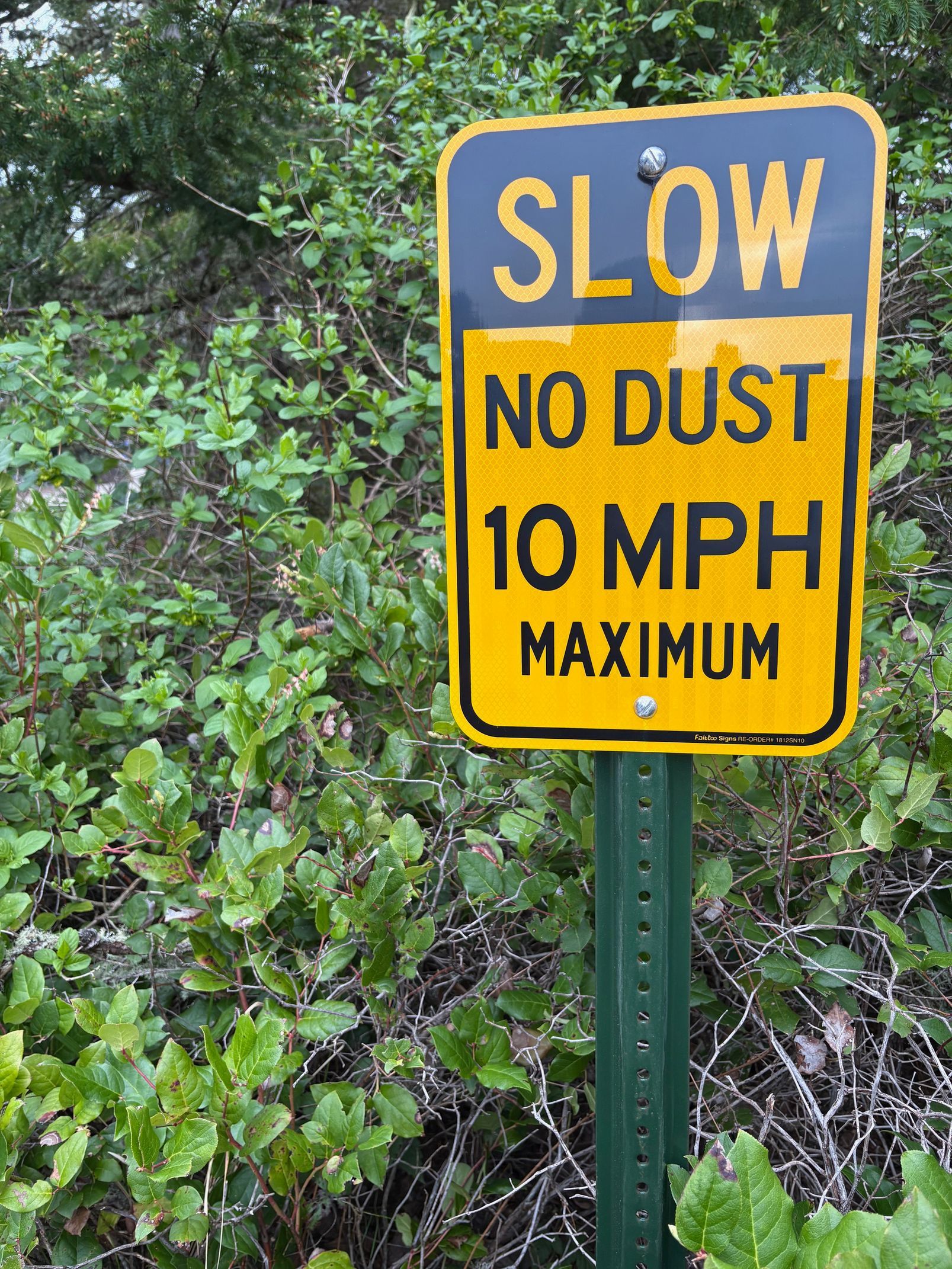
Drive Slowly — 10 MPH or Less
Lower speeds greatly reduce washboarding, potholes, dust, and road surface displacement. Driving slowly also improves pedestrian safety and helps protect the newly crowned road surface.
Consider Posting 10 MPH Signs
Yellow or orange “10 MPH Speed Limit” signs placed outside the road right-of-way can help remind drivers to slow down. The Avalon/Woodlawn neighborhood has successfully implemented this approach as part of its road preservation efforts.
Keep Drainage Trenches Clear
Roadside vegetation can quickly block drainage paths and trap water on the roadway. Regular trimming with a string trimmer or similar tool helps maintain proper stormwater flow and protects the road base from erosion.
Avoid Driving in Existing Tire Tracks
Repeatedly driving in the same wheel paths creates deeper ruts and weakens the surface over time. Slightly varying your driving line helps distribute wear more evenly across the roadway.
Why These Practices Matter
Well-maintained gravel roads:
- Improve public safety
- Reduce erosion and stormwater damage
- Lower long-term maintenance costs
- Reduce dust and pothole formation
- Help preserve neighborhood access during storms and emergencies
Community stewardship makes a real difference. Thank you to everyone who contributes time, care, and attention toward maintaining Oceanside’s roads and shared infrastructure.
Latest Updates
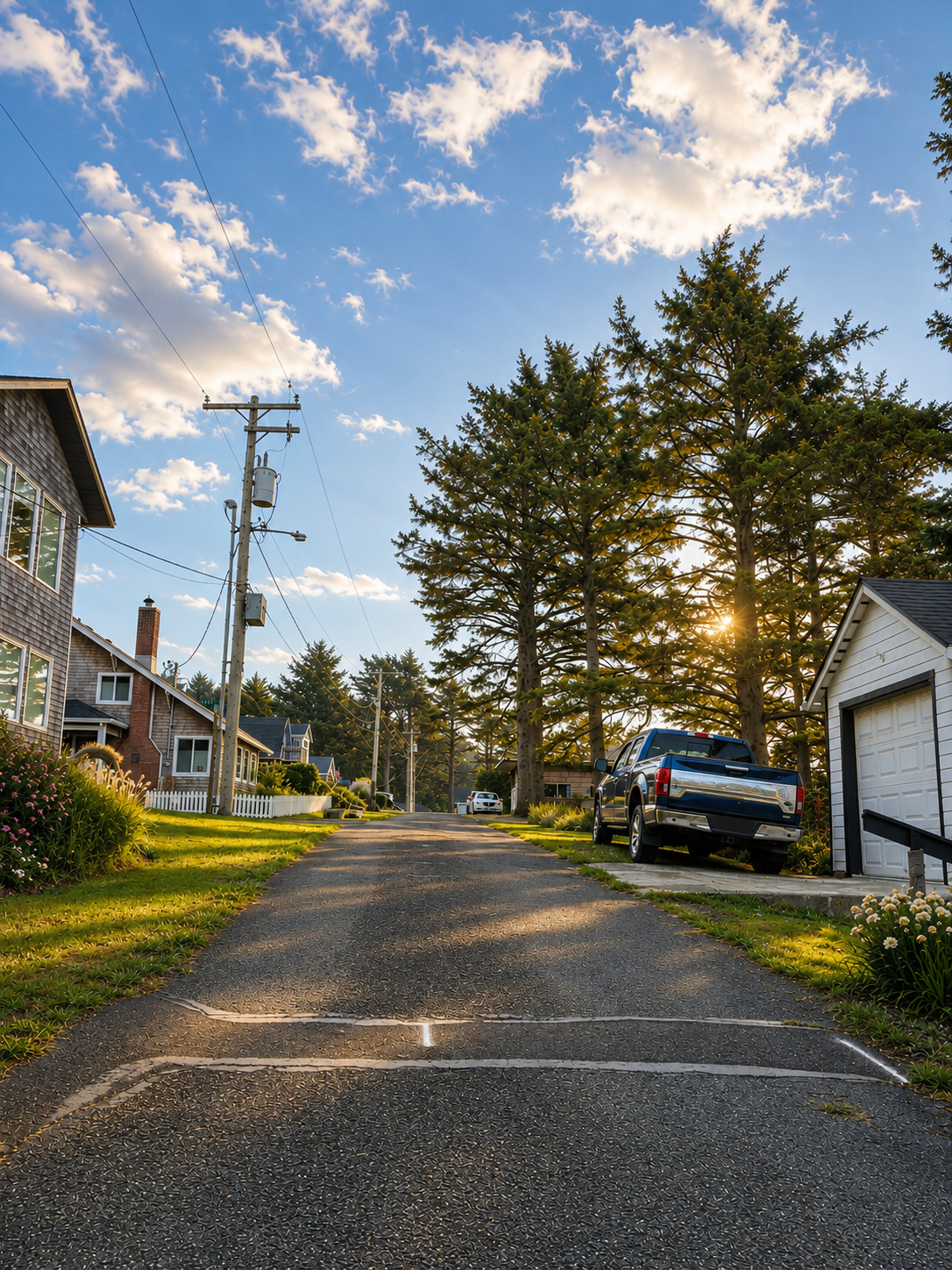
To have potholes in your neighborhood added to the map take a photo of the pothole(s) and e-mail to David Dulaney at david@daviddulaney.com.
Please, include photo's precise location/address.
To see a larger map, click on the "View larger map" icon in the map's upper right corner.
Map Legend:
- Blue Waterfalls: drains/culverts
- Red "Caution" circles: Potholes as identified
- Green "Caution" circles: Potholes fixed since submission