Improving Cell Reception Team Update
July 13, 2026 by Yuriy Chanba, Team Coordinator
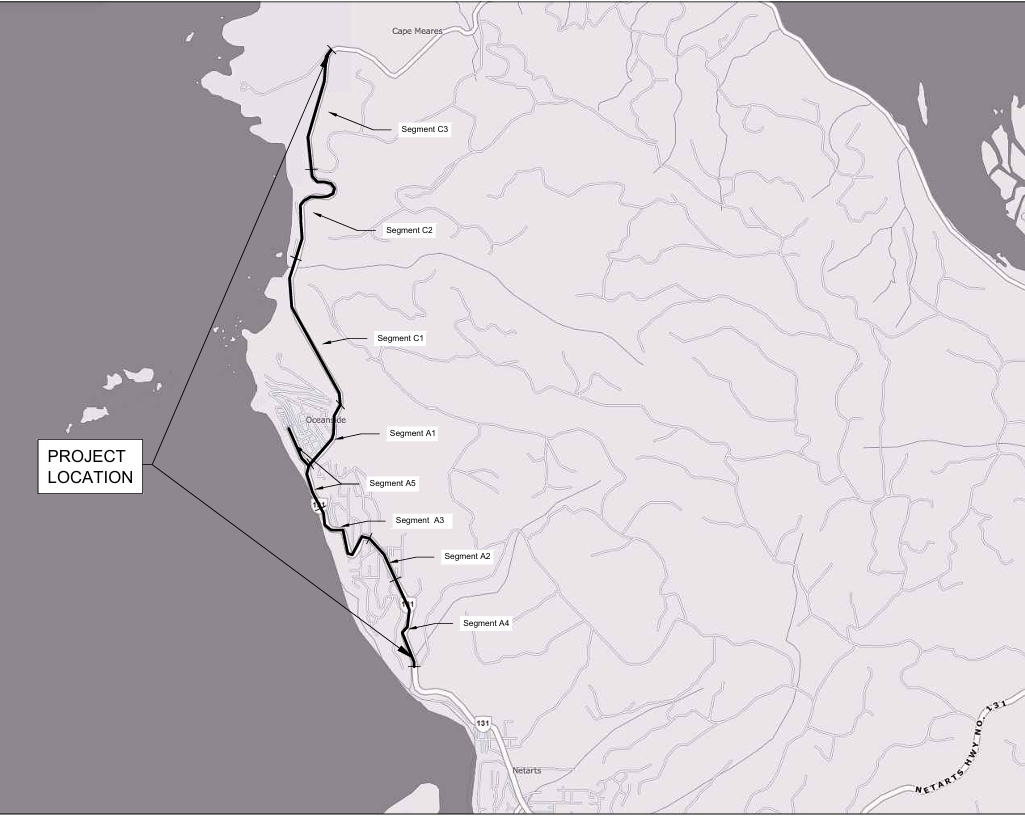
Cellular Service Update for Oceanside
Our team continues to work with cellular tower providers in their efforts to bring a cell tower closer to Oceanside and improve local coverage. At the same time, rapid advances in direct-to-cell satellite technology are beginning to reshape how mobile communications may ultimately be delivered to remote and underserved communities such as ours.
Several recent developments are particularly noteworthy:
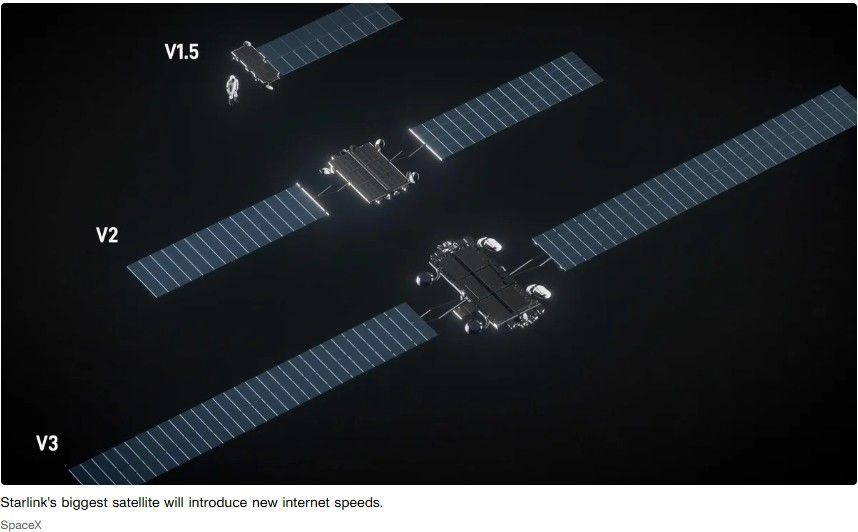
Starlink's Next-Generation Network
SpaceX has announced plans to begin deploying its third-generation Starlink satellite network aiming to build a constellation of about 15,000 new satellites in 2027. The new system is expected to increase direct-to-cell data speeds from today's approximately 3–4 Mbps to as much as 130 Mbps, enabling a significantly improved user experience for mobile phone customers. Direct-to-cell service is already available today through T-Mobile, included with many premium plans or offered as a low-cost add-on option. The service is also available to customers of other carriers through separate subscription plans.
Starlink's 5-year development plan calls for a $200 billion investment in space-based network upgrades, with 80% of the total planned for direct-to-cell technology.
Expanded Spectrum Resources
Historically, Starlink relied on partnerships with cellular providers to access wireless spectrum. More recently, the company gained access to substantial spectrum assets through a major transaction involving Dish Network, strengthening its ability to expand and accelerate direct-to-cell deployment in the years ahead.
Industry-Wide Commitment to Satellite Connectivity
In late June, AT&T, Verizon, and T-Mobile announced a joint initiative aimed at improving wireless coverage in remote and underserved areas through direct-to-cell satellite technology. The effort includes partnerships with satellite providers such as AST SpaceMobile and Starlink, signaling growing industry support for space-based cellular connectivity.
What This Means for Oceanside
Taken together, these developments suggest a significant shift in how carriers may choose to serve rural and underserved communities in the future. Traditional cellular towers remain an important part of the solution, and our team continues to actively support efforts to bring improved tower-based coverage closer to Oceanside. However, the telecommunications industry is increasingly investing in satellite-based alternatives that can provide service where building new infrastructure is difficult or costly.
One way or another, meaningful improvements to cellular service in Oceanside appear to be on the horizon. Whether those improvements arrive through a new nearby cell tower, continued advances in direct-to-cell satellite technology, or a combination of both, the outlook for local connectivity is brighter than it has been in years.
We will continue to work on this, monitor developments and keep the community informed as new information becomes available.